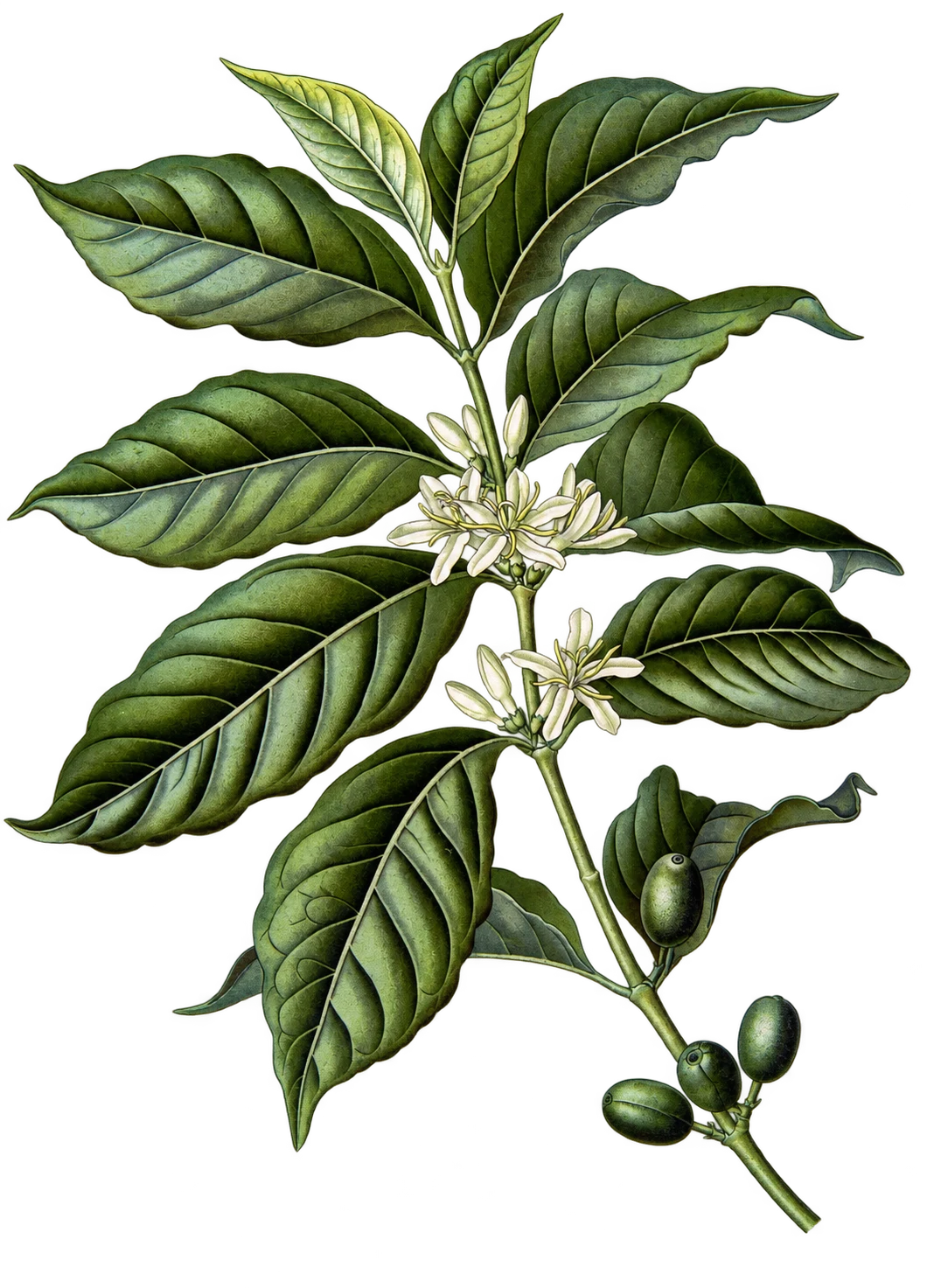
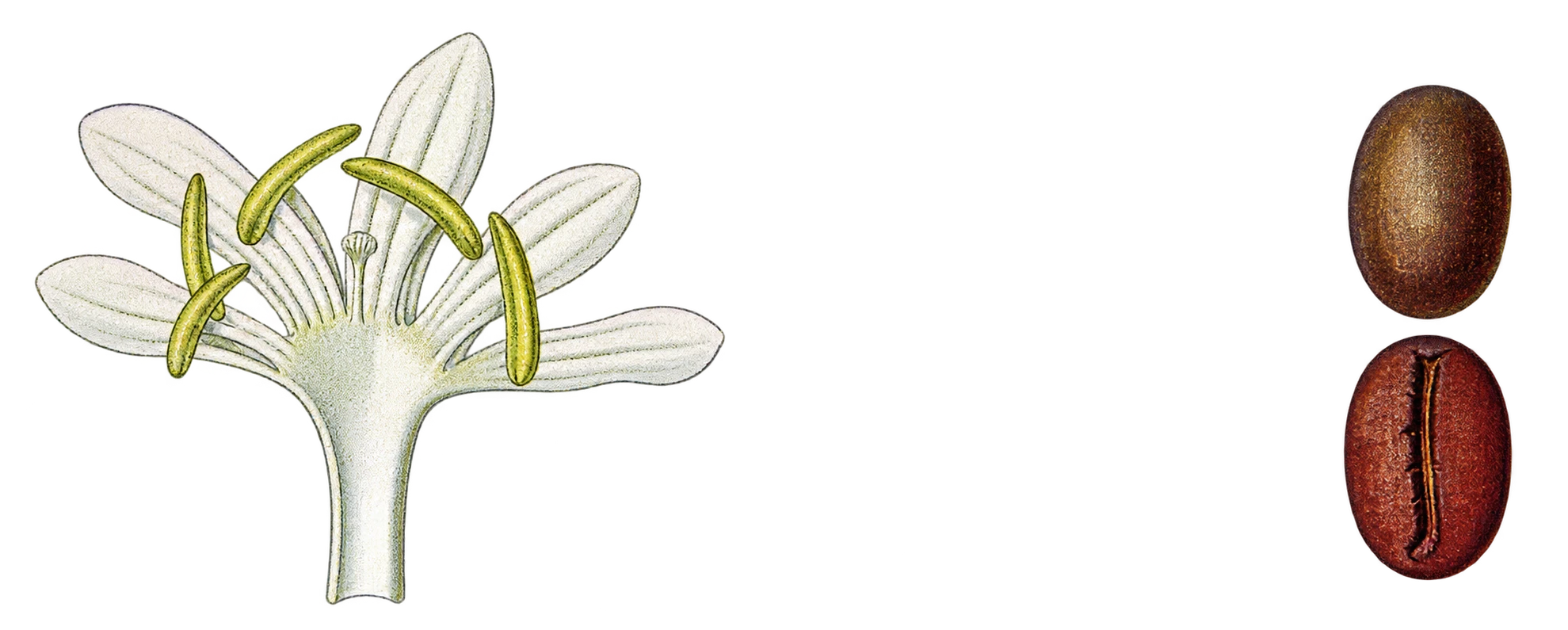
Coffee
Coffea arabica
Malnad Karnataka
Follow the harvest
Single origin · Field note 001
Coffee and tea from the forested mountains of the Western Ghats.
Kuduremukh mountain, prominent on the horizon at dawn, seen from a neighbouring peak.
13°08′N · 75°16′E
01 / The origin
Kotekaan
/koː.ʈeː.kaːn/
fort · forest / Kannada
Recorded as “Kote Kan,” an old name for Kudure Mukha, by L. B. Bowring in Eastern Experiences (1871), p. 151 ↗
From this landscape, Kotekaan will introduce coffee, tea and other produce in small, distinct batches. Each record will identify the place of origin, harvest season, elevation, process and other conditions that shaped it—so flavour can be understood as the outcome of a particular place and time.
02 / The ecology
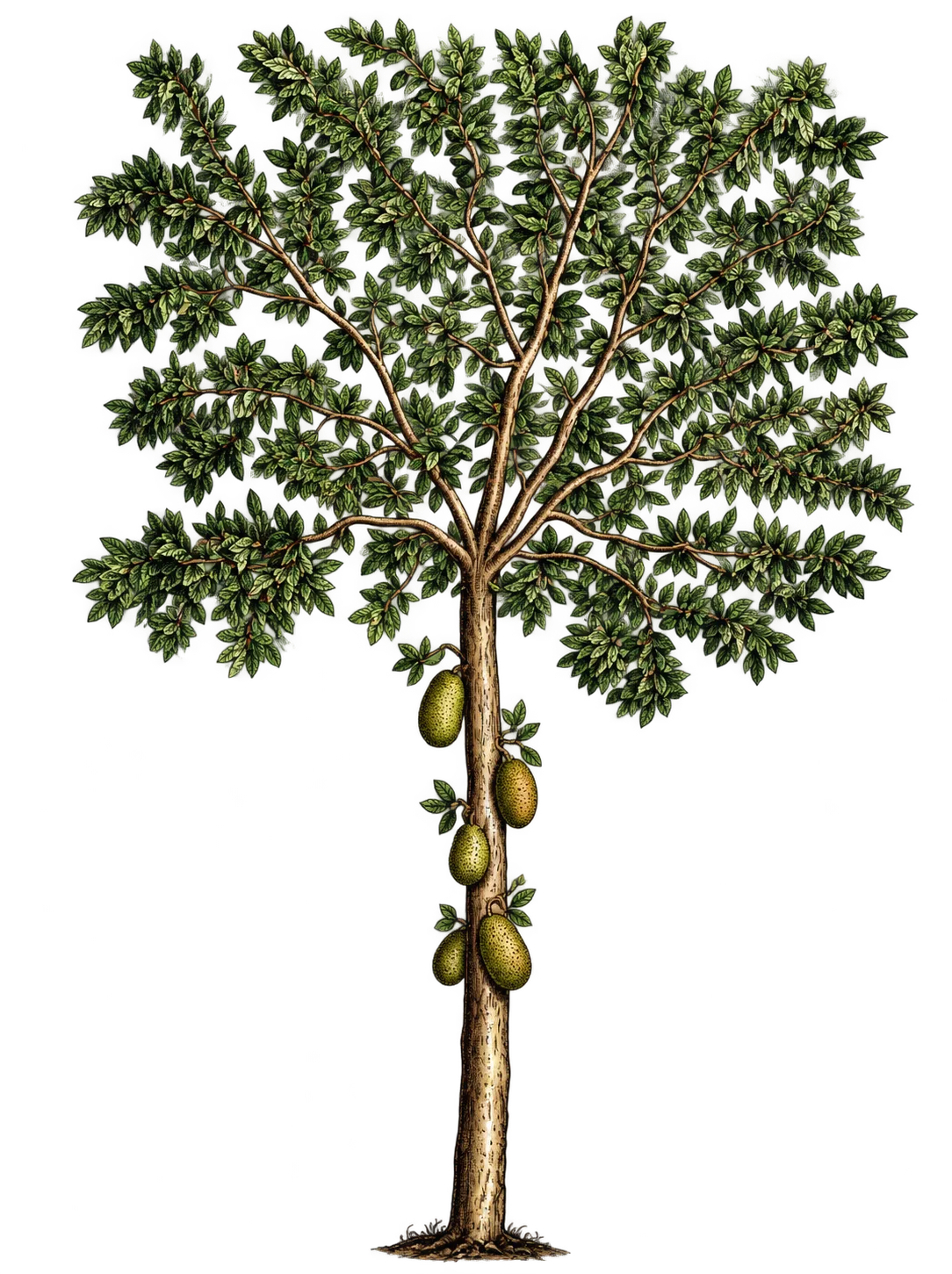
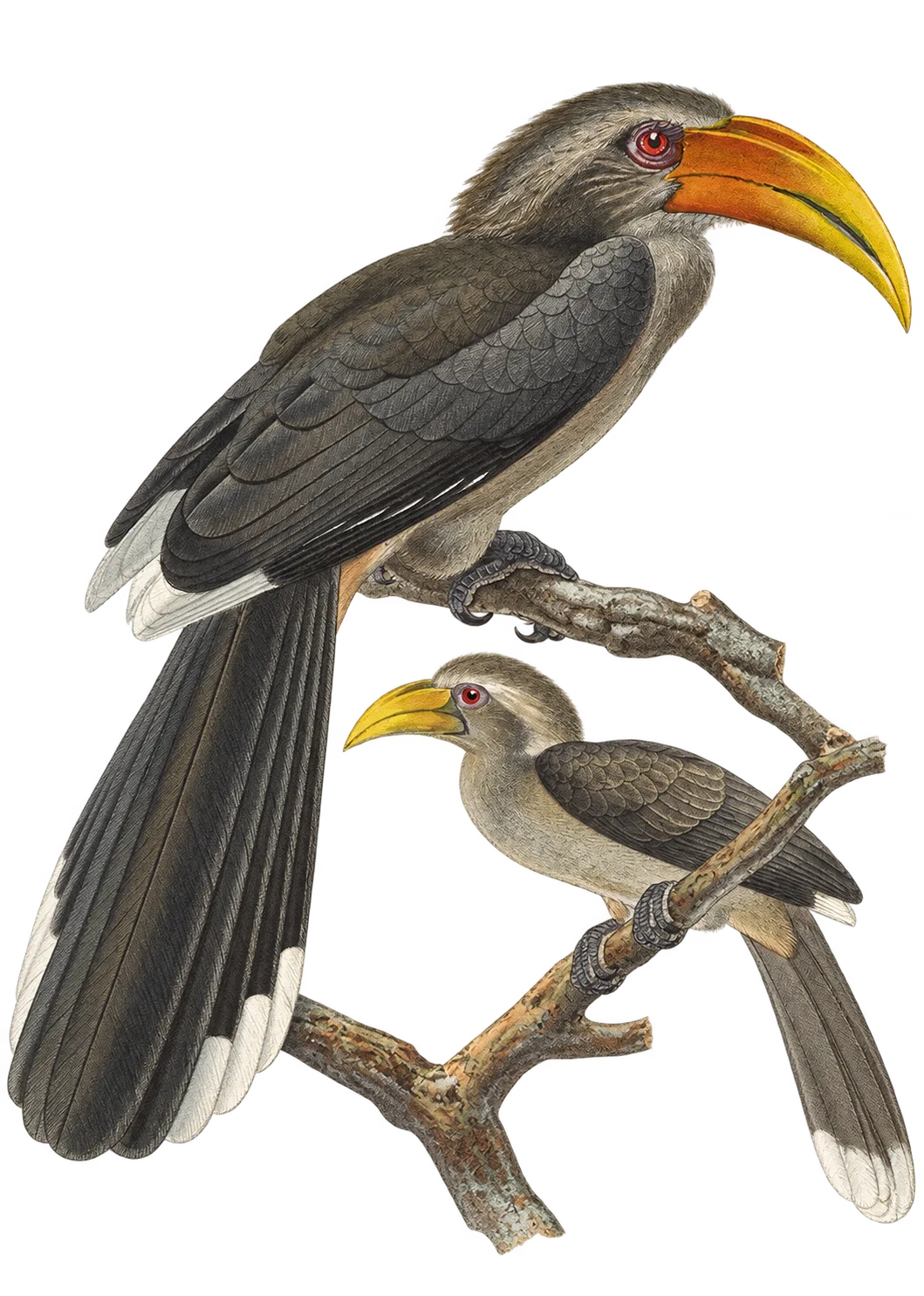
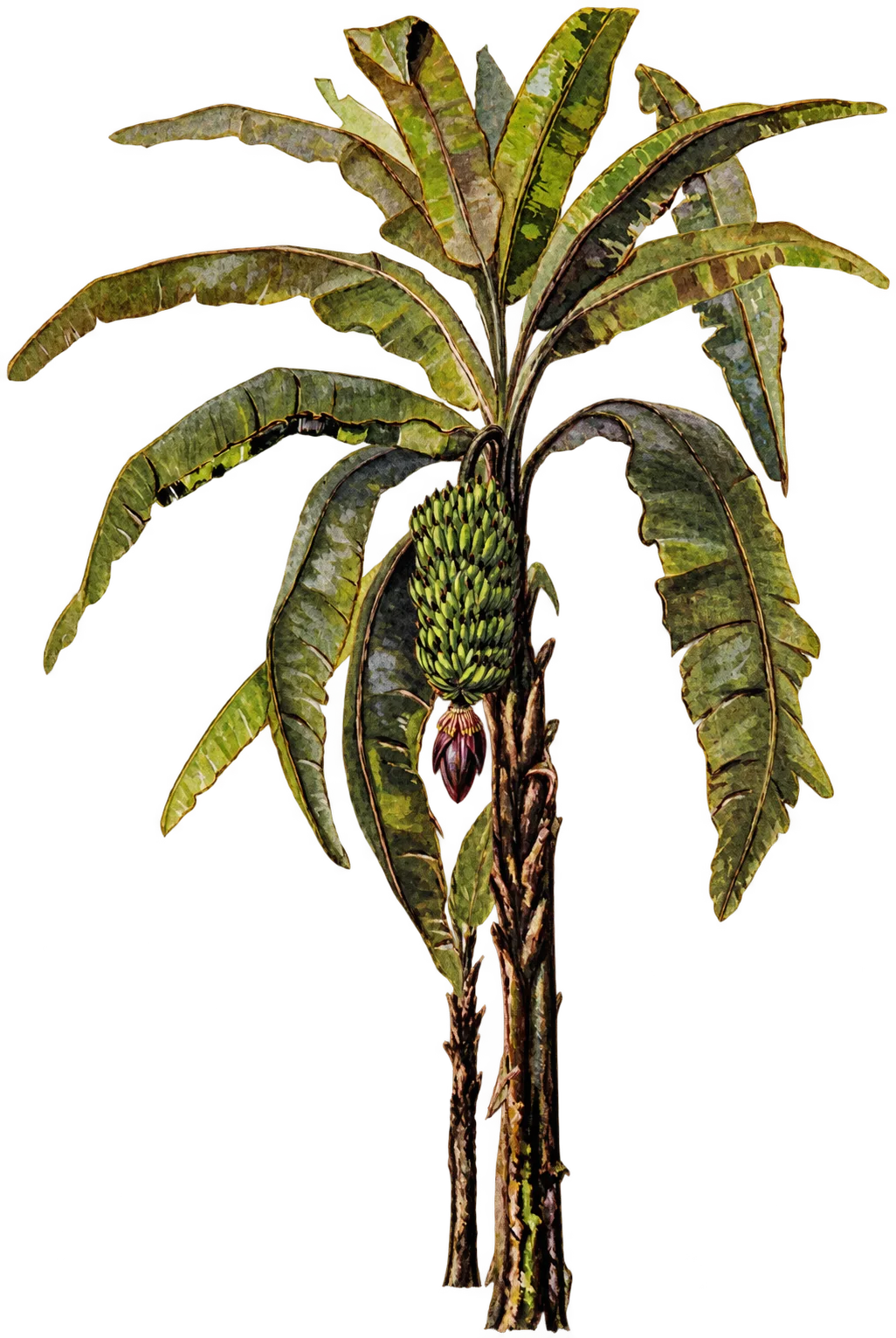
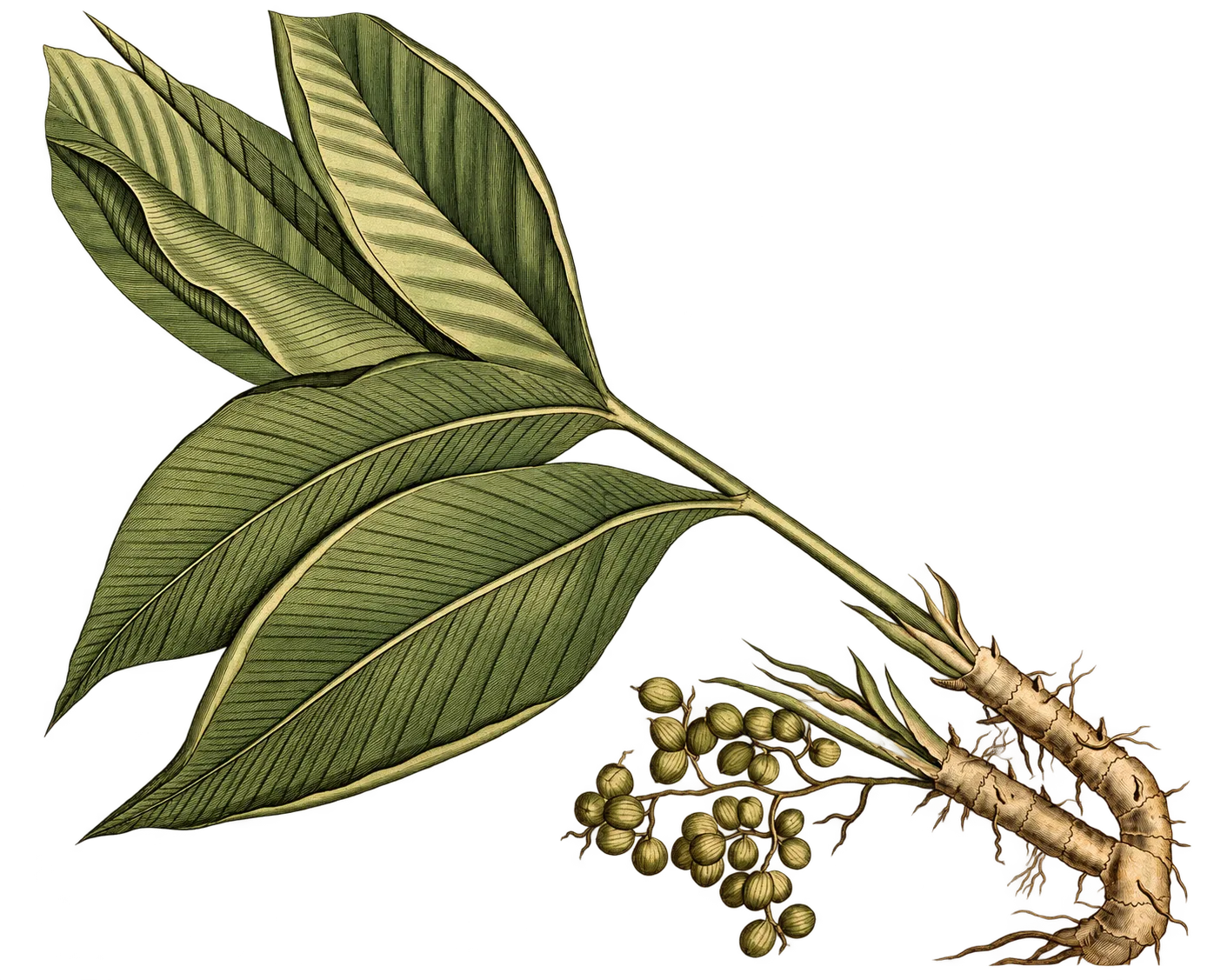
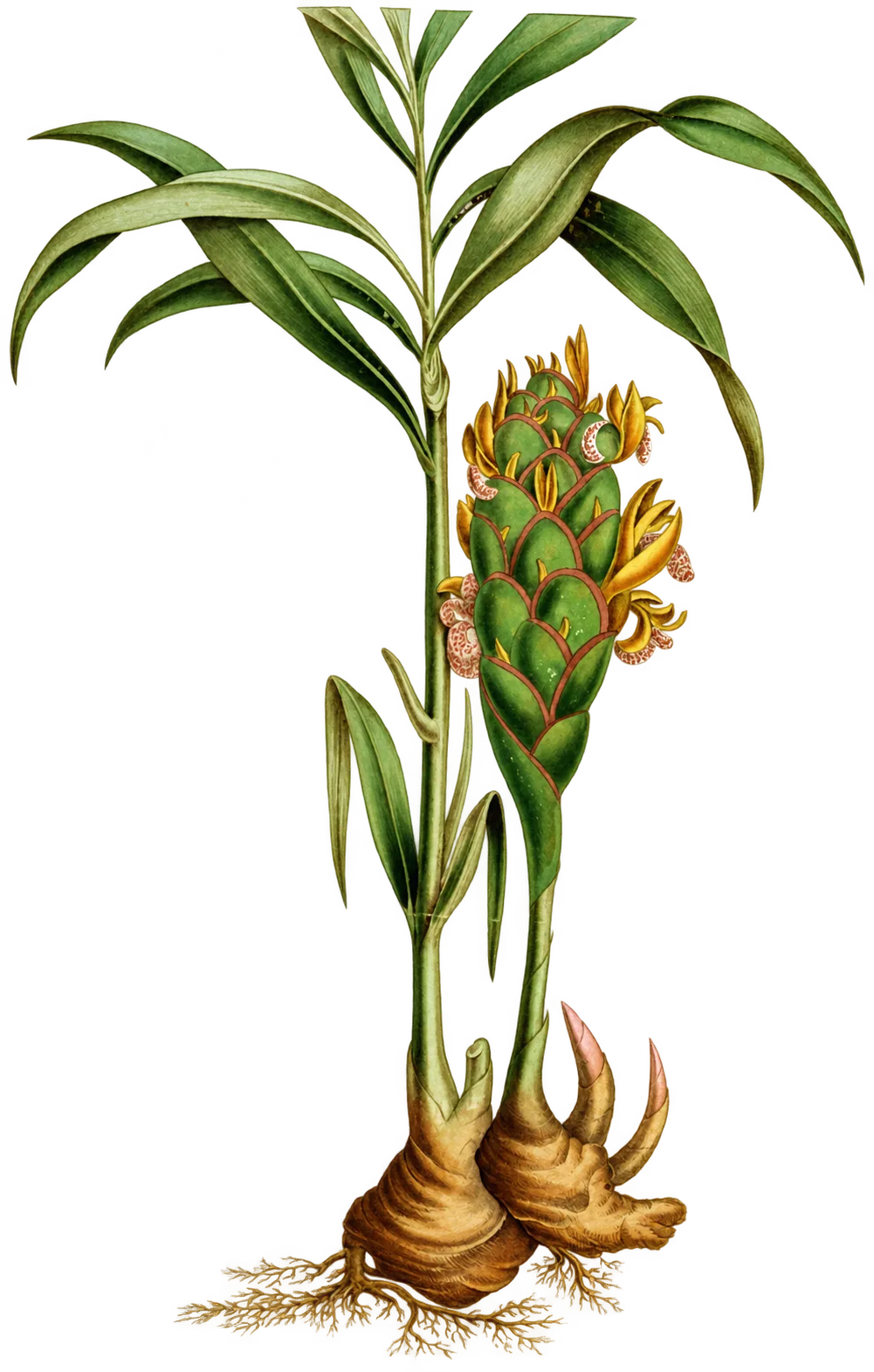
Around every cultivated plant is a layered community of shade trees, grasses, mosses, lichens, herbs and spices. Together, they shape the light, moisture, soil and rhythms of the plantation.
03 / In progress
Our first coffee and tea are moving through harvest, sorting, processing and evaluation. We will document each stage as the lots take shape.
Coffea arabica
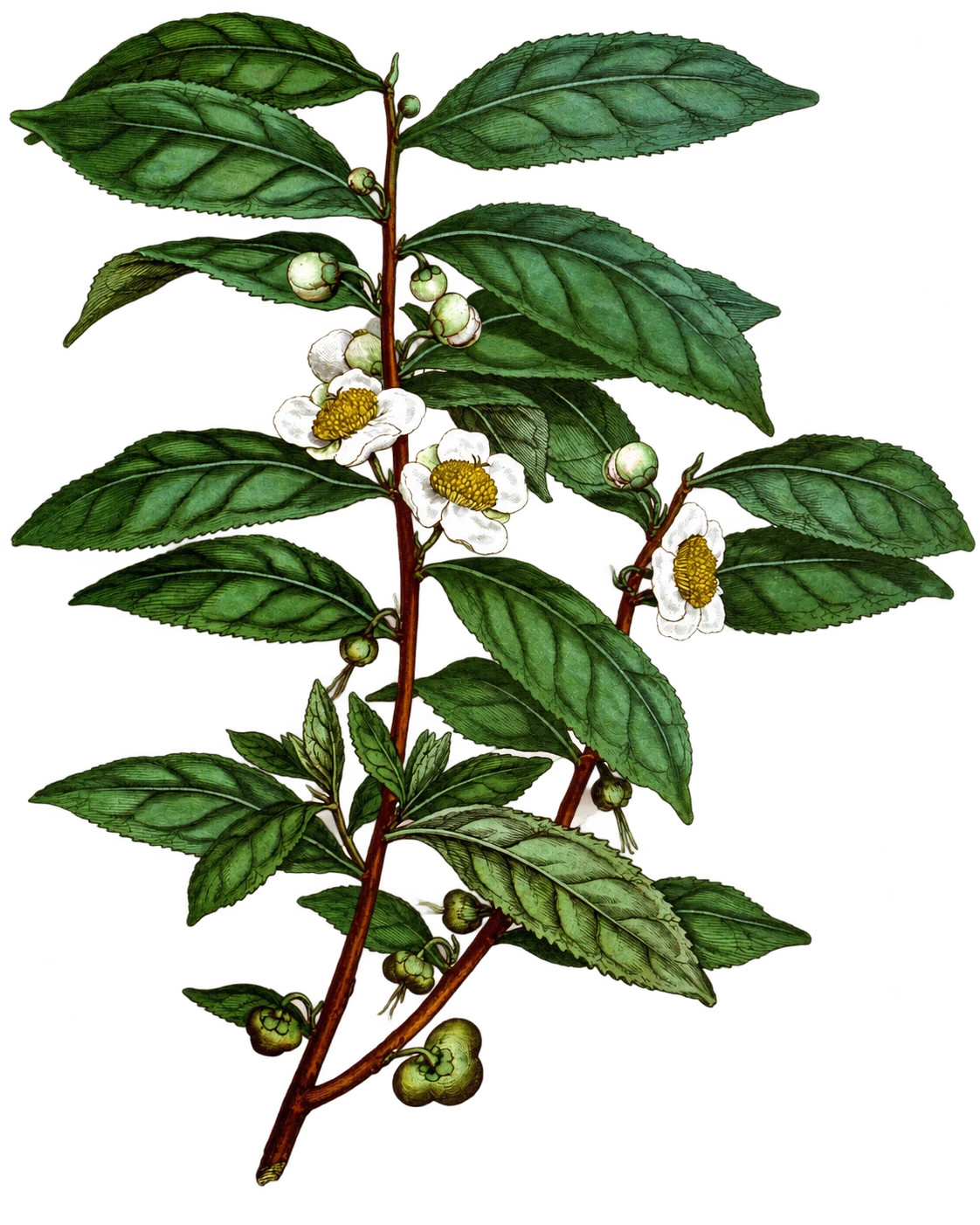
Camellia sinensis
04 / The record
Every batch comes from one identified place rather than an anonymous blend of geographies.
Each batch remains connected to the harvest and conditions that shaped it.
Origin, elevation, harvest, process and batch details remain attached from source to cup.
Notes from the hills
Occasional dispatches on origins, harvests and the making of Kotekaan.